 admin
admin
Properly maintaining your professional attire is essential for looking your best, and learning how to wash dress shirts correctly can save you a significant amount of money on dry cleaning bills. Many people mistakenly believe that all quality shirts must be professionally cleaned, but most cotton and synthetic blends can be safely and effectively laundered at home with the right techniques. By understanding the specific needs of your fabric, using the appropriate water temperature, and mastering folding or hanging methods, you can keep your shirts crisp, vibrant, and wrinkle-free for years while ensuring they always look like new.
| Feature | Details |
| Primary Goal | Wash dress shirts effectively |
| Key Preparation | Check labels and treat stains |
| Water Temperature | Cool or warm (never hot) |
| Drying Method | Air dry or tumble low for minimal time |
| Maintenance | Steam or iron while slightly damp |
Checking the Care Labels Before You Start
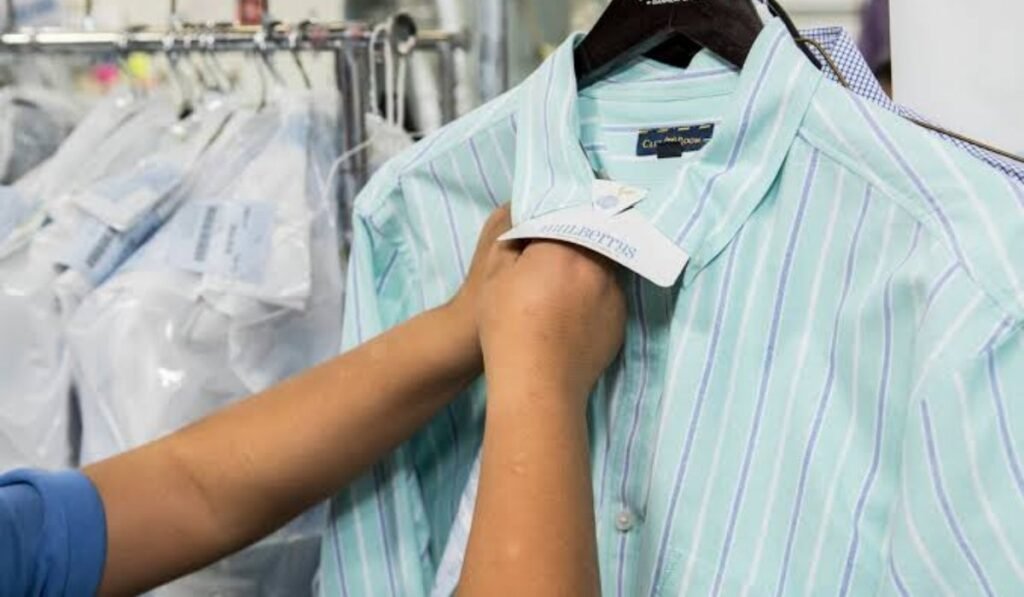
Before you wash dress shirts, always check the manufacturer’s care label. This small tag provides critical information about fabric composition and specific washing requirements. Some luxury fabrics, like high-thread-count silk or certain delicate wool blends, may indeed require professional dry cleaning to prevent shrinking or damage. However, most standard cotton or cotton-polyester shirts will clearly indicate machine washability. Ignoring these labels is the most common cause of ruined garments, so taking ten seconds to read them ensures you choose the correct cycle and avoid potential disasters during the laundry process.
Treating Stains Before the Wash
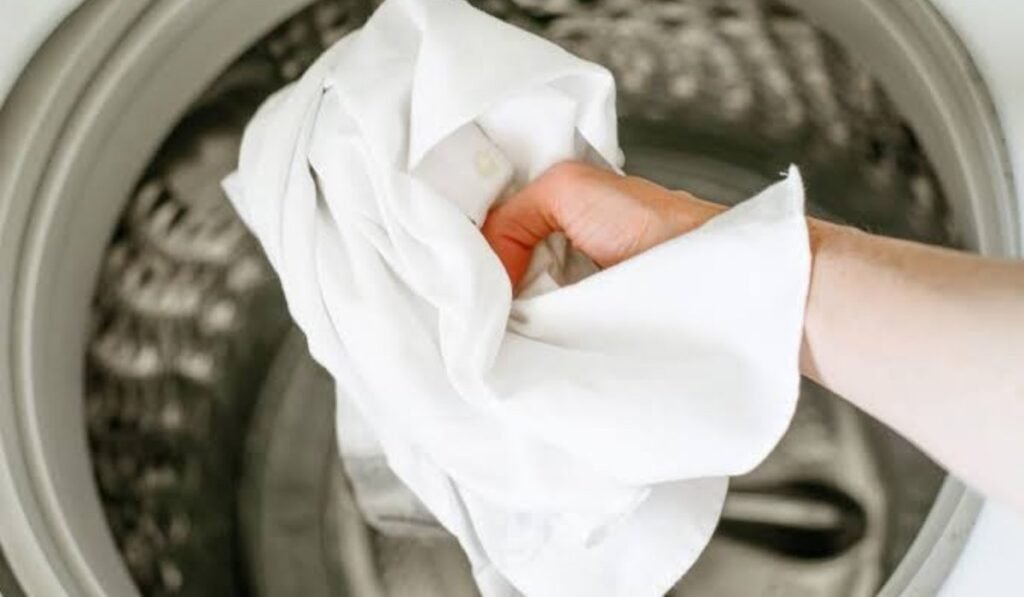
To effectively wash dress shirts, you must address stains before they hit the machine. Sweat, oils, and food spills can become permanent if set by heat. Apply a high-quality pre-treatment spray or a small amount of liquid detergent directly to the collar, cuffs, and any visible spots. Use a soft brush to gently work the cleaner into the fibers, which helps loosen dirt and proteins. Let this sit for at least fifteen minutes before tossing the shirt into the drum, as this step is crucial for removing stubborn discoloration that remains visible after standard washing.
Sorting Your Shirts by Color and Fabric
When you wash dress shirts, never mix your colors. Dark-colored shirts should be laundered separately from whites to prevent dye transfer, which can quickly turn a crisp white shirt into a dull gray. Additionally, sort by weight; avoid washing heavy jeans or towels in the same load as your shirts. The friction from heavy items can cause unnecessary wear and tear on delicate dress shirt fabrics. By grouping similar colors and textures together, you protect the integrity of the fabric and keep your colors bright, ensuring your professional wardrobe maintains its sharp, high-quality appearance over time.
Choosing the Right Detergent
The type of detergent you use to wash dress shirts matters more than you might think. Avoid harsh chemicals or heavy bleaches, which can weaken cotton fibers over time and cause premature fraying. Instead, choose a mild, high-quality liquid detergent that is designed for color protection. If you have sensitive skin, opt for a fragrance-free, dye-free version. Remember, less is often more—using too much soap can leave a sticky residue on the fabric, which actually attracts more dirt in the long run and makes your shirts feel stiff and uncomfortable against your skin.
Selecting the Correct Water Temperature
The temperature of your water is critical when you wash dress shirts. Always use cool or warm water rather than hot, as hot water is the primary culprit behind shrinking and fabric degradation. Wash Dress Shirts Cool water is generally sufficient for most modern detergents and is much gentler on buttons and collars. If you are dealing with very dirty shirts, a warm setting is fine, but avoid the “hot” cycle at all costs. Gentle temperature control is the best way to preserve the fit and longevity of your shirt, Wash Dress Shirts preventing that dreaded “shrunken” feeling that often occurs after a few cycles.
Using a Gentle Washing Cycle
When it is time to wash dress shirts, always select a gentle or delicate wash cycle. The aggressive agitation of a “heavy duty” cycle can cause buttons to crack and fibers to pill. A shorter, slower cycle is perfectly adequate for shirts that have been worn for a standard work day. If your washing machine allows, reduce the spin speed as well. A high-spin setting is great for towels, but for dress shirts, it can create deep, set-in wrinkles that are nearly impossible to iron out later, even with the best steam iron available.
Turning Shirts Inside Out
One professional tip to wash dress shirts successfully is to turn them inside out before placing them in the machine. This protects the outer fabric from unnecessary friction against the agitator or other clothes. It also ensures that the areas that need cleaning the most—the inside of the collar and the cuffs, where body oils accumulate—are directly exposed to the detergent and water. This small, extra step makes a massive difference in how clean your shirts look after every wash, significantly reducing the buildup of grime that often forms on the inside of the neckband.
Protecting Buttons and Cuffs
To avoid damage when you wash dress shirts, take a moment to unbutton everything, including the collars and cuffs. If you leave buttons fastened, the tension during the wash cycle can cause them to rip off or crack. Furthermore, if you wear shirts with cufflinks, be sure to remove them before starting the cycle. This simple preparation prevents the machine from snagging your fabric or damaging the buttonholes. Ensuring the garment is completely unbuttoned also allows the water and detergent to circulate more effectively through every part of the shirt, resulting in a deeper, more uniform clean.
Using Mesh Laundry Bags for Extra Care
If you own high-end shirts, consider using mesh laundry bags when you wash dress shirts. These bags act as a protective barrier between your shirts and the rest of your laundry, preventing snagging on zippers, hooks, or buttons from other garments. Simply place one or two shirts in each bag. This is especially helpful if you find yourself washing mixed loads. The bags maintain the shape of your shirts and prevent them from tangling, which is a major cause of fabric stress. It is a small investment that pays off by keeping your best shirts looking brand new.
Rinsing Thoroughly to Remove Residue
It is essential to rinse thoroughly when you wash dress shirts. Any remaining detergent residue can cause yellowing in the collar and cuffs over time, especially when exposed to heat during ironing. If you feel your machine’s standard rinse cycle isn’t doing the job, consider adding an extra rinse step. Alternatively, a small splash of white vinegar in the fabric softener compartment can help break down any soap residue while naturally softening the fabric. This ensures the shirts feel fresh, clean, and completely free of any chemical irritants that could cause skin irritation or discoloration.
Drying Strategies for Minimal Wrinkles
How you dry is just as important as how you wash dress shirts. The dryer is generally the enemy of a crisp shirt. If you must use a machine, use a low-heat setting and remove the shirts while they are still slightly damp. This prevents the fabric from becoming overly dry and brittle, which makes ironing much more difficult. If time permits, the best approach is to hang your shirts on high-quality plastic or wooden hangers to air dry. This eliminates the need for aggressive drying and prevents most shrinkage, keeping your shirts in perfect condition for longer.
Proper Hanging Techniques
As soon as you finish your cycle to wash dress shirts, hang them up immediately. Do not leave them in the machine, as this allows wrinkles to set in. Use wide-shouldered hangers, which help maintain the structure of the collar and shoulders. Button the top button to help the collar retain its shape while it dries. Hanging them while they are still slightly damp allows the weight of the fabric to pull out many of the wrinkles naturally. This simple habit saves you immense time when you eventually sit down to iron or steam your shirts.
The Art of Ironing While Damp
To achieve a professional finish after you wash dress shirts, iron them while they are still slightly damp. If they have already air-dried completely, use a spray bottle to lightly mist the fabric before running the iron over it. The moisture allows the steam to penetrate the fibers and relax them, making it much easier to smooth out deep creases. Always start with the collar, then move to the cuffs, and finish with the body. Ironing while the shirt is slightly damp is a pro-level technique that produces a crisp, clean look that rivals any expensive dry cleaner.
Storing Your Shirts Correctly
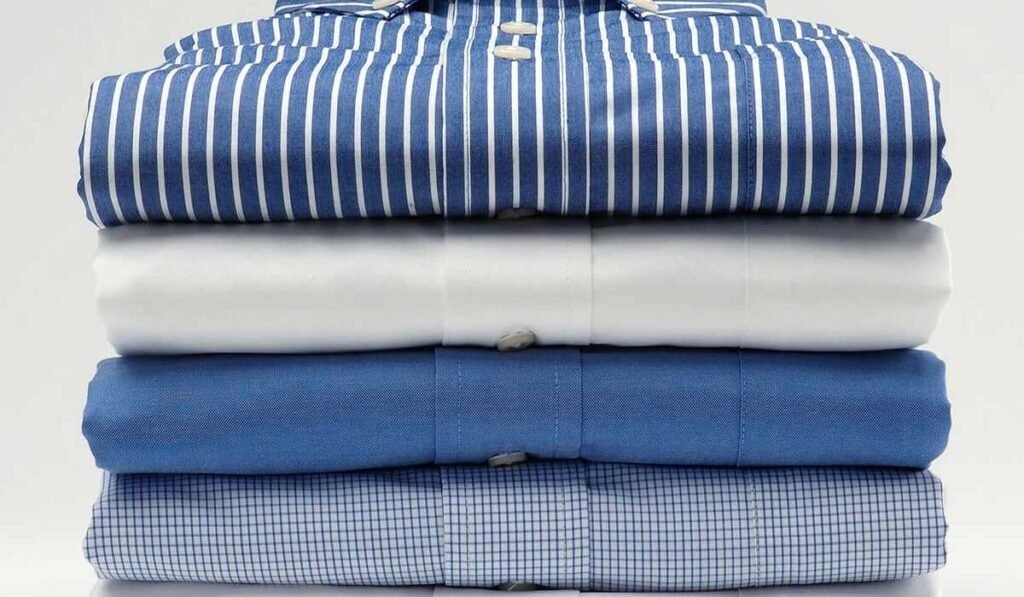
Once you have managed to wash dress shirts and iron them to perfection, storage is the next step. Hang your shirts in a closet with enough space so they are not crowded; crowding leads to unsightly wrinkling. Use cedar blocks or high-quality hangers to keep the shape of the shoulders intact. If you are storing shirts for the off-season, make sure they are completely clean, as even invisible traces of perfume or body oil can attract moths or lead to discoloration over time. Proper storage ensures your hard work washing and ironing lasts until the next time you wear them.
Handling Specific Collar Issues
The collar is often the dirtiest part when you wash dress shirts. If you struggle with persistent collar grime, try applying a paste of baking soda and water to the collar before you put it in the machine. Let it sit for twenty minutes to absorb the oils. This natural method is safe for almost all fabrics and is highly effective at lifting deep-set collar stains that regular detergent misses. Consistency in this area prevents that stubborn “dark ring” that is so difficult to remove once it has been set by repeated cycles of heat and improper washing.
Preventing Yellowing in Whites
Keeping whites looking bright when you wash dress shirts can be a challenge. If you notice your white shirts starting to yellow, avoid heavy bleach, which often makes the problem worse by interacting with the proteins in sweat. Instead, try soaking your white shirts in a mixture of water and a cup of vinegar for an hour before washing. This helps neutralize the alkaline buildup that causes yellowing. Regular maintenance with a gentle detergent and proper rinsing, combined with avoiding heat in the dryer, will keep your whites crisp and professional for years to come.
Managing Synthetic Blends
When you wash dress shirts that are made of synthetic blends like polyester, you need to be careful with heat. Synthetics are prone to “pilling,” where tiny balls of fabric form on the surface. To prevent this, always wash these shirts inside out and keep the water temperature strictly cool. Polyester blends are wrinkle-resistant, which is their main advantage, but if they get wrinkled in the wash, heat will only make it harder to remove. Rely on the gentle cycle and air drying to keep these shirts smooth, avoiding the need for heavy ironing or steam treatments later.
When to Use Steamers
A steamer is a fantastic tool to use after you wash dress shirts. While an iron is best for a crisp, professional look, a steamer is excellent for quick touch-ups if you have been traveling or if the shirt has been sitting in your closet for a while. It relaxes the fibers without the risk of burning or creating shiny spots on the fabric. If you have delicate shirts with embroidery or unique textures, a steamer is a much safer option than a hot iron, ensuring your shirts maintain their high-quality detail and appearance.
Addressing Shrinkage Issues
If you have ever had a shirt shrink after you wash dress shirts, you know how frustrating it is. Shrinkage is almost always caused by high heat in the dryer. If a shirt shrinks slightly, you can sometimes “stretch” it back by soaking it in lukewarm water with a bit of hair conditioner, which relaxes the fibers. Gently stretch the fabric while it is wet, then lay it flat to dry. Prevention is the best medicine, so stick to air drying and low-heat cycles to ensure your shirts always maintain the perfect fit they had when you first bought them.
Final Thoughts on Shirt Maintenance
Learning to wash dress shirts is a simple process that pays huge dividends for your appearance and your wallet. By following these guidelines—sorting properly, using gentle detergents, avoiding excessive heat, and hanging your shirts immediately—you ensure that your professional wardrobe remains in top shape. It only takes a little bit of extra attention to turn a mundane chore into a smart investment in your professional image. Take pride in your care routine, and your shirts will continue to look polished, crisp, and comfortable for every big meeting, presentation, or social event on your calendar for many years.
- Can I wash all dress shirts at home?
- Most cotton and cotton-blend shirts can be washed at home, but check the care label for specific instructions on luxury or delicate fabrics.
- What is the best way to prevent wrinkles?
- Use a gentle spin cycle, hang your shirts on high-quality hangers immediately after washing, and avoid high heat in the dryer.
- How do I get collar stains out?
- Pre-treat the collar with a detergent or a paste of baking soda and water before washing to lift oils and dirt.
- Why do my shirts look gray after a few washes?
- This is often caused by mixing whites with darks or using too much detergent, which leaves a residue that attracts more dirt.
- Is an iron better than a steamer?
- An iron provides a crisper, more professional look, while a steamer is safer for delicate fabrics and better for quick touch-ups.