
 admin
admin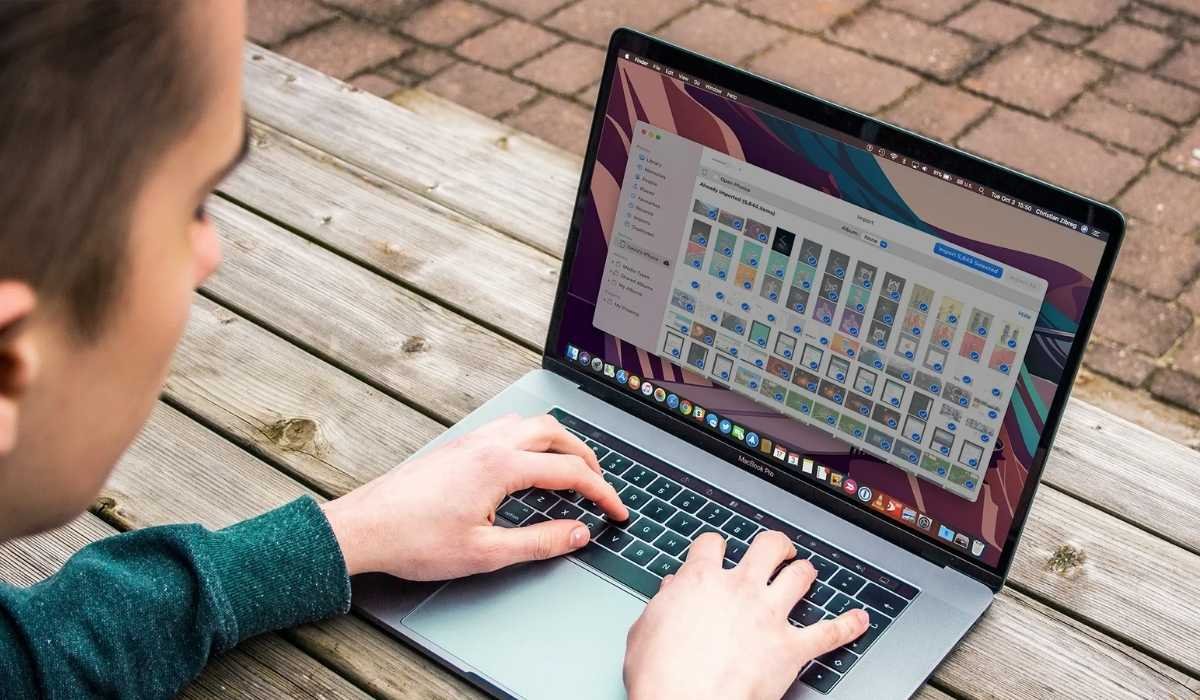
Transferring your digital memories is a crucial step in maintaining your device’s storage and ensuring your files are safe from accidental loss. Knowing the best methods to move pictures from iPhone to computer systems allows you to organize your photos, free up space on your phone, and easily edit high-quality images on a larger screen. Whether you are using a Mac or a Windows PC, there are several reliable ways to accomplish this task, ranging from simple cable connections to wireless cloud-based solutions. This guide will walk you through every step to ensure your transfer is quick, secure, and completely successful.
| Feature | Details |
| Primary Goal | Move pictures from iPhone to computer |
| Best Wired Method | USB Cable + Photos App/File Explorer |
| Best Wireless Method | iCloud Photos or AirDrop |
| For Windows | Use File Explorer or iCloud for Windows |
| For Mac | Use Photos App or AirDrop |
Using a USB Cable on Windows PC
For many users, the most direct way to move pictures from iPhone to computer hardware is via a USB cable. First, connect your iPhone to your Windows PC using a compatible Lightning or USB-C cable. Ensure your phone is unlocked and tap “Trust” when prompted on the screen. Once connected, open “File Explorer” on your PC, locate your iPhone under “This PC,” and navigate to the “DCIM” folder. Inside, you will find your photos organized into various subfolders. You can simply copy and paste these images directly onto your computer’s hard drive to complete the process.
The Ease of Using AirDrop on Mac
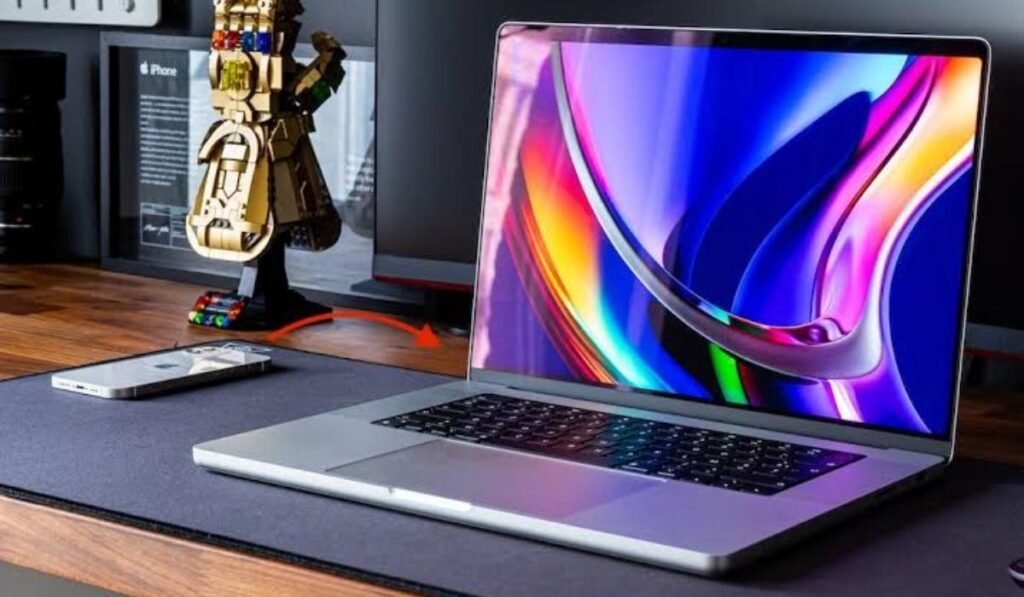
If you are already in the Apple ecosystem, moving pictures from iPhone to computer setups is incredibly simple with AirDrop. This wireless feature allows you to send photos instantly without any cables. On your iPhone, select the pictures you want to transfer and tap the “Share” icon. Choose “AirDrop” and select your Mac from the list. The files will appear in your “Downloads” folder on your Mac almost immediately. This is arguably the fastest and most convenient method for quick transfers, requiring no extra software or physical connections, provided both devices are nearby and have Bluetooth enabled.
Leveraging iCloud Photos for Syncing
Another reliable way to sync pictures from iPhone to computer environments is by using iCloud Photos. By enabling this feature in your iPhone’s Settings under your Apple ID, your photos are automatically uploaded to the cloud. On your computer, simply visit iCloud.com, sign in with your Apple ID, and navigate to the Photos section. From there, you can view, download, and manage your entire photo library. This method is excellent because it ensures your files are backed up automatically, providing peace of mind knowing that your memories are stored safely off your physical device at all times.
Using the Windows Photos App

The Windows Photos app provides a built-in interface to move pictures from iPhone to computer devices without manually searching through folders. Connect your phone via USB, then open the “Photos” app on your PC. Click the “Import” button and select “From a connected device.” The app will automatically scan your phone for new photos and allow you to select which ones to import. This user-friendly method is perfect for those who want a visual way to manage their files and prefer not to deal with the complex folder structures often found in the phone’s internal storage directory.
Managing Storage with iCloud for Windows
If you want a more permanent integration, you can install the “iCloud for Windows” software to sync pictures from iPhone to computer automatically. Once the software is installed and you are signed in, you can choose to have all your iPhone photos appear in a dedicated folder on your Windows PC. This keeps your library updated in real-time, meaning any photo you take on your phone will soon be available on your desktop computer. This setup is ideal for heavy users who want their digital library consistently synchronized across multiple platforms without manually initiating transfers every single day.
Transferring via Email or Messaging
For just a few images, sending pictures from iPhone to computer via email or a messaging app is a viable, albeit limited, option. Simply select the photos on your iPhone, hit the share button, and email them to your own account. Open your email on your computer and save the attachments. While this works well for one or two photos, it is not practical for large libraries due to file size limits and the time required to send each batch. Use this method only for quick, small-scale needs when you do not have immediate access to cables or cloud syncing.
Troubleshooting Connection Issues
Sometimes, you might struggle to move pictures from iPhone to computer because the computer does not recognize the device. Start by checking your USB cable; if it is damaged, it may only provide power but not data transfer. Also, ensure your iPhone is unlocked and you have selected “Trust This Computer” on the screen. If you are on a PC, sometimes updating your “Apple Mobile Device USB Driver” in Device Manager can resolve recognition issues. These small technical hurdles are common, but they are easily fixed with a bit of patience and by following standard troubleshooting procedures.
Handling High-Efficiency Formats (HEIC)
iPhone photos are often saved in the HEIC format, which might not open when you move pictures from iPhone to computer if the computer software is outdated. Fortunately, Pictures from iPhone to ComputerWindows now natively supports these files, but you may need to install the “HEIF Image Extensions” from the Microsoft Store. Alternatively, you can change your iPhone settings to “Most Compatible” under Camera Settings so that all future photos are saved as JPEGs. This ensures maximum compatibility across all your devices, saving you the headache of needing specialized software just to view your personal photo collection on a desktop.
Organizing Your Transferred Library
Once you have managed to move your pictures from iPhone to computer storage, take the time to organize them. Create folders based on the date, event, or location to keep your digital life tidy. Use naming conventions that make sense for your workflow. A disorganized library can quickly become difficult to navigate, defeating the purpose of moving the photos in the first place. Taking a few minutes to label and sort your files right after the transfer process makes finding specific memories years down the road much easier and keeps your digital workspace running efficiently.
Using Third-Party Transfer Software
If native methods aren’t working, third-party software can help you move pictures from iPhone to computer systems easily. Programs like iMazing, CopyTrans, or Dr.Fone offer robust interfaces that allow for selective transfer and backup. These apps are particularly helpful if you want more control over your data or if you need to recover photos from a phone that has a broken screen. While some of these tools require a paid license, they often provide more features than free native tools and can be a lifesaver when dealing with large, complex libraries or data recovery scenarios.
Batch Processing Large Transfers
When you are moving thousands of pictures from iPhone to computer at once, be prepared for longer processing times. The transfer speed depends on the USB generation, the cable quality, and the read/write speed of your computer’s hard drive. It is best to keep your computer awake and avoid running other resource-heavy tasks during a massive batch transfer to prevent errors. Ensure your phone stays charged or connected to power throughout the process to avoid a mid-transfer shutdown, which can potentially lead to file corruption or incomplete transfers of your important images.
Backing Up vs. Moving
Distinguish between backing up your data and simply moving pictures from iPhone to computer storage. Moving implies deleting the photos from your phone after the transfer, while backing up keeps them on the phone as well. If you delete them to free up space, ensure your computer’s storage is itself backed up, perhaps to an external hard drive or a cloud service like Google Drive or Backblaze. You don’t want to lose your memories due to a computer failure. Always maintain at least two copies of your most precious images in different physical or digital locations.
Transferring Photos from Shared Albums
Shared Albums require a different approach when you want to move pictures from iPhone to computer screens. Shared Albums are not always included in standard USB exports because they are essentially streams. To save these, you need to open the specific album on your iPhone, select the images, and tap “Save Image” to your local camera roll first. Once they are in your main library, you can use any of the standard transfer methods to move them to your PC. Don’t forget this step, or you might find that some photos are missing from your computer folders.
Automating Photo Organization
Once you move pictures from iPhone to computer drives, consider using tools that automatically organize files. Programs like Adobe Lightroom or even simple photo organizers can scan your folders, tag photos with metadata, and remove duplicates. Duplicate photos are a common problem when transferring files multiple times, and automatic tools can save you hours of manual cleanup. Keep your digital workspace lean by regularly deleting blurry photos or accidental screenshots that you no longer need, which helps keep your overall file size manageable and makes your library much more pleasant to browse.
Managing Videos Alongside Photos
Videos often take up more space than static pictures from iPhone to computer folders, so handle them carefully. They are transferred using the same methods as photos, but they may take significantly longer. If you have many high-resolution 4K videos, prioritize these during your transfers. Sometimes, software may skip large video files during batch imports, so always double-check the final folder size to ensure all your media moved correctly. Since videos are often the largest files, moving them is the most effective way to clear up significant space on your iPhone quickly.
Checking Metadata and Dates
When you finally move pictures from iPhone to computer files, metadata (like the date the photo was taken or GPS location) is usually preserved. However, verify this by checking the file properties after the transfer. Occasionally, the “Date Created” might show the transfer date instead of the date the photo was taken. Professional photo management software preserves the original EXIF data, which is essential if you want to search your photos by date or location. If you are using simple manual copying, check that the original metadata remains intact, especially if you rely on dates for organizing your memories.
Security During Transfers
When you move pictures from iPhone to computer hardware, consider the security of your files. Avoid transferring sensitive photos on public or shared computers. If you must use a shared machine, ensure you delete the files from the computer after you have moved them to a private, encrypted storage device. Also, be wary of “free” transfer apps that require access to all your files; only use reputable, well-known software. Your personal photos contain private data, so treat them with the same security precautions you would use for your financial documents or other sensitive digital records.
Benefits of External Drives
For long-term storage, move your pictures from iPhone to computer and then immediately move them to an external drive. Storing large libraries on your computer’s main system drive can slow it down. External SSDs are very fast and affordable, making them perfect for storing high-resolution photo archives. By keeping your library on an external drive, you also make your photos portable, allowing you to easily access your collection from different computers. This is a highly recommended practice for anyone with a large digital history who wants to keep their primary computer fast and responsive.
Troubleshooting “iPhone Not Found”
If your computer cannot find your pictures from iPhone to computer source, check your privacy settings. Sometimes, the iPhone will prompt you to “Allow” access to photos and videos only after you have unlocked the device while connected. If you have a passcode, unlock the phone after plugging it in. If you still have trouble, try a different USB port on your computer, as some ports (especially those on the front of a desktop) might not have enough power for a stable connection. Perseverance during these small connectivity issues will almost always lead to a successful transfer.
Professional Photo Workflow Tips
To become an expert at managing your pictures from iPhone to computer files, adopt a consistent workflow. Always transfer, organize, backup, and then delete from your phone in that specific order. Never delete photos from your iPhone until you have verified that the files are safe and accessible on your computer. This safety-first workflow prevents accidental loss and gives you confidence to free up space on your phone regularly. Over time, this routine will ensure your digital life stays organized, accessible, and safe, allowing you to enjoy your photos for years to come.
- What is the quickest way to move photos to a Mac? * AirDrop is the fastest method for Mac users.
- How do I move photos to a Windows PC? * Use a USB cable and File Explorer or the Windows Photos app.
- Why can’t I open the photos I transferred? * You might need to install HEIF extensions if the files are in HEIC format.
- Should I delete photos after transferring them? * Only after confirming the files are safe and successfully moved to your computer.
- Can I use the cloud to sync photos? * Yes, iCloud Photos or Google Photos are excellent for keeping your libraries updated.