
 admin
admin
The decision to obtain a service dog is life-changing, yet the financial commitment can be significant. Understanding how much does it cost to train a service dog is the first step in preparing for this journey. Whether you are considering a program-trained dog or planning to train your own, the expenses vary based on specialized needs, trainer expertise, and location. While the initial investment might seem daunting, service dogs provide invaluable support, helping individuals manage disabilities with greater independence. This guide breaks down the financial landscape, helping you navigate the options, from nonprofit programs to professional private training.
| Feature | Details |
| Average Upfront Cost | $15,000 to $50,000 |
| Annual Maintenance Cost | $500 to $10,000 |
| Private Training Rate | $150 to $250 per hour |
| Training Timeline | 6 to 24 months |
| Primary Variable | Complexity of tasks and organization type |
Why Service Dog Training Costs Are High
The high price tag associated with service dogs reflects the intense labor and resources required. A professional trainer invests months, often years, into a single animal. This includes daily obedience work, advanced task training, and extensive public access socialization. Furthermore, the cost accounts for breeding, medical screenings, and the high percentage of dogs that do not complete the program due to temperament or health. Organizations also face significant overhead, including insurance, facility maintenance, and staff salaries. When you ask how much does it cost to train a service dog, you are paying for thousands of hours of expert dedication.
The Financial Investment in Professional Programs

Program-trained dogs are the gold standard for many, as they come fully prepared for their specific role. These organizations usually manage the entire process, from selecting a puppy to finalizing advanced medical alerts or mobility assistance. The cost generally covers the lifetime support provided by the organization. While the $15,000 to $50,000 price range is high, it includes the peace of mind that comes with a certified animal. Because these programs are resource-intensive, waiting lists can often stretch to three years or more, making early application an essential part of the process for many families.
Evaluating the Cost of Owner-Training
Owner-training is a viable alternative that can significantly reduce the upfront financial burden. By working with a professional trainer on an hourly basis, you can customize the training to your specific disability needs. While you may still spend several thousand dollars over time, you avoid the lump-sum costs of a fully trained program dog. However, this route requires a immense time commitment and a dog with the right temperament. You must carefully consider if you have the physical and mental capacity to lead the training process, as self-training is not just a financial choice but a lifestyle commitment.
The Role of Task Complexity

The complexity of the tasks a dog must perform is a major factor in pricing. Basic mobility assistance, such as retrieving items, is generally less expensive to train than medical alert work. Tasks like seizure detection or blood sugar monitoring require highly specialized protocols and constant reinforcement, which naturally increases the time and expertise needed from the trainer. When determining how much does it cost to train a service dog, always specify the exact tasks required. A dog trained for a singular, complex medical alert task will almost always command a higher fee than one with broader, simpler duties.
Geographical Factors and Training Fees
Your location significantly influences the total cost. In major urban centers where the cost of living and specialized facility rent are high, training fees reflect these market conditions. Conversely, rural areas might offer lower hourly rates but could require more travel for intensive public access sessions. Furthermore, the availability of certified trainers varies by region. If you live in an area with few professionals, you may have to account for travel expenses or shipping costs if you choose a program from another state, all of which should be factored into your total estimated budget for the project.
Budgeting for Ongoing Annual Maintenance
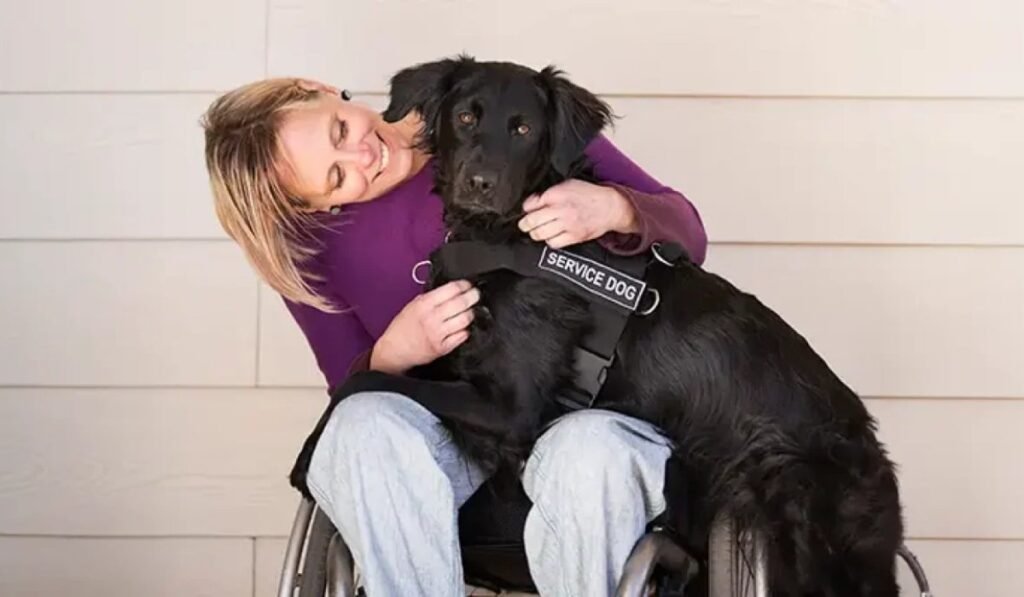
The expenses do not end once the dog is trained. On average, you should budget between $500 and $10,000 annually for the ongoing care of your service animal. This includes high-quality food, routine veterinary checkups, vaccinations, and potential emergency care. Additionally, gear such as specialized vests, harnesses, and leashes can add up. Some handlers also choose to invest in pet insurance to mitigate the risk of large, unexpected medical bills. When evaluating how much does it cost to train a service dog, remember that long-term sustainability is just as critical as the initial acquisition fee.
Understanding the Hidden Costs of Socialization
A key component of training is public access socialization, which requires significant time and often financial resources. A dog must be exposed to various environments—crowded malls, public transportation, and busy restaurants—to ensure they remain calm and focused. This may involve travel costs, parking fees, or even the cost of professional “field trips” led by a trainer. Failing to properly socialize your dog can result in behavioral issues that necessitate extra training sessions later on. Investing in thorough, early-stage exposure is a strategic way to avoid unnecessary expenses that could arise from a dog struggling with professional duty.
Selecting the Right Trainer
Not all trainers are equally equipped to prepare a service dog. When searching for professional support, look for trainers who have specific experience in service work and understand ADA requirements. Avoid companies that claim to “certify” dogs quickly, as there is no federal mandate for service dog certification in the United States. A trustworthy trainer will be transparent about their methods and provide a clear, written plan for your dog’s progression. When asking how much does it cost to train a service dog, ensure the price includes the professional’s assessment of your dog’s potential.
Managing the Risks of Unregulated Providers
The popularity of service dogs has led to an influx of unregulated trainers promising quick results at lower prices. Be cautious of any provider who guarantees a specific outcome within a very short timeframe. These “shortcuts” often lead to poorly trained dogs that can be a liability in public settings. Always check for reviews, ask for references, and verify the trainer’s professional background. Investing in a reputable expert might cost more upfront, but it prevents the potentially higher expense of having to retrain a dog or deal with a failed placement later in the animal’s working career.
Financing and Fundraising Options
Many individuals find the high costs challenging and turn to creative financial solutions. Some nonprofit organizations offer grants or have specific programs for veterans and people with disabilities to subsidize the training costs. Crowdfunding through platforms like GoFundMe is also a common method for raising the necessary capital. Additionally, some trainers offer payment plans that allow you to spread the cost over several months. Always communicate your financial situation to potential organizations; many are willing to discuss sliding-scale fees or connect you with resources that can help bridge the gap in your funding.
The Importance of Dog Temperament
Before committing funds to training, a professional assessment of your dog’s temperament is essential. Not every dog has the drive, focus, or confidence to perform as a service animal. A dog that is reactive, easily distracted, or anxious will require significantly more training hours, driving up the overall cost. Some professional programs will conduct an evaluation before accepting a dog into their training regimen. Investing in this assessment upfront is a smart way to ensure your money is spent on a dog that has a high likelihood of succeeding in its role as a service animal.
Training Duration and Progress
The timeline for training a service dog can be unpredictable. While most programs suggest an average of 6 to 18 months, individual progress varies widely. If your dog hits a “regression” phase—a common occurrence during adolescence—it may require additional sessions to correct behaviors. When you look at how much does it cost to train a service dog, assume the upper end of the time estimate. Patience is vital, as rushing the process can result in a dog that is not truly ready for the demands of public access or complex disability-related tasks.
Insurance Coverage Limitations
It is important to understand that most health insurance policies, including Medicare and Medicaid, generally do not cover the cost of a service dog. While some employer-sponsored health savings accounts (HSA) or flexible spending accounts (FSA) might be used for certain medical expenses, service dog training is typically viewed as an out-of-pocket cost. Because of this, most handlers must rely on personal savings, donations, or grants. Being aware of these limitations early on will help you avoid the frustration of expecting coverage that is rarely granted for assistance animal training.
The Value of Mentorship
Working with a mentor who has successfully owner-trained a service dog can be an invaluable, often low-cost resource. Many online communities and local disability support groups offer advice and guidance for those on this path. While this does not replace professional training, it can help you avoid common mistakes and navigate the complexities of public access laws. Learning from others’ experiences can save you both time and money, providing insights into the most cost-effective training tools and strategies that have worked for them during their journey to a fully trained service animal.
Preparing for the “Washout” Rate
One of the most difficult financial realities of service dog training is the potential for a “washout”—when a dog fails to complete the program. This can happen for health reasons or due to temperament changes as the dog matures. If you are owner-training, this means the money invested in that specific dog may not result in a working service animal. While heartbreaking, this is a possibility that every handler must prepare for. Having a “plan B” or an emergency fund for additional training or a potential new candidate is a prudent approach to the financial risks involved.
Evaluating Non-Profit vs. For-Profit
Nonprofit organizations often provide the most affordable path, but they come with long waiting lists and strict eligibility requirements. For-profit trainers offer faster access but can vary wildly in quality and cost. If you are considering a for-profit trainer, ensure their model is sustainable and that they provide transparent communication. Some nonprofits operate on a “team training” model where you must travel to their facility for several weeks to learn how to work with your dog. Include these travel and lodging expenses in your calculation when comparing how much does it cost to train a service dog.
The Impact of ADA Laws
Understanding the Americans with Disabilities Act (ADA) is crucial for any service dog handler. The law protects your right to be accompanied by your service dog, but it does not mandate specific training programs or certifications. Because of this lack of regulation, you have the flexibility to choose the training method that fits your budget. However, you are responsible for ensuring your dog is well-behaved and task-trained. The legal framework provides the freedom to self-train, which is the primary way many individuals keep their costs low while still meeting all the necessary legal requirements.
Leveraging Technology in Training
Modern training often incorporates technology, such as specialized apps or remote training devices, which can be cost-effective ways to supplement professional instruction. Many trainers now offer remote consultations, which can save you significant money on travel and boarding fees. While not a replacement for in-person public access training, these tools can help you track your dog’s progress and stay consistent with the protocols taught by your trainer. Integrating these digital resources into your training plan is a modern strategy that many handlers use to make the overall training process more efficient and manageable.
Future-Proofing Your Investment
When calculating how much does it cost to train a service dog, consider the lifespan of your animal. A dog trained properly can work for many years, making the high upfront cost easier to justify when amortized over the dog’s working life. Proper nutrition, preventative healthcare, and mental stimulation will extend your dog’s career, ensuring you get the most value out of your financial investment. Focusing on the long-term health of your dog is not just about animal welfare—it is a smart financial decision that keeps your service dog working at its peak for as long as possible.
Final Perspective on Service Dog Training
Ultimately, the cost of training a service dog is an investment in your independence and quality of life. Whether you reach your goal through a nonprofit or by working with a private trainer, the effort required is immense. By carefully planning your budget, understanding the factors that influence pricing, and remaining patient throughout the process, you can successfully navigate this journey. While the numbers can be daunting, the support a well-trained dog provides is often considered priceless by those who rely on them daily.
5 FAQs About How Much Does It Cost to Train a Service Dog:
- What is the average price range for a fully trained service dog?
- Costs typically range from $15,000 to $50,000 depending on the provider and the specialized tasks involved.
- Is it cheaper to train a service dog myself?
- Yes, owner-training is generally more affordable, though it requires significant time and professional guidance to ensure the dog meets all standards.
- Does health insurance cover the cost of a service dog?
- No, most health insurance plans, including Medicare and Medicaid, do not cover the acquisition or training of service dogs.
- Why do some service dogs cost as much as $50,000?
- High costs reflect professional breeding, extensive medical screenings, years of expert training, and the overhead of the training organization.
- Are there ways to get financial assistance for a service dog?
- Yes, many people use grants, fundraising platforms like GoFundMe, and payment plans offered by professional trainers to manage expenses.