
 admin
admin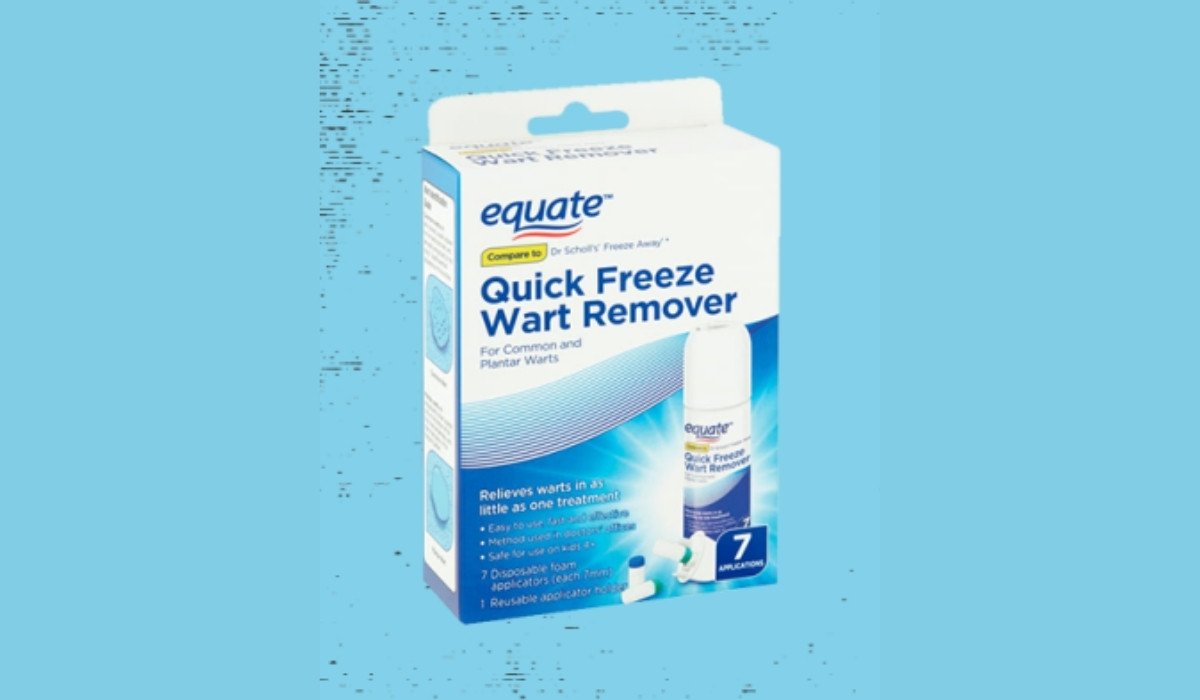
Finding the best over the counter wart remover can be a frustrating process, especially when dealing with persistent viral skin growths. Warts are caused by the human papillomavirus (HPV), which infects the top layer of skin and creates thickened, often unsightly lesions. Because these viruses are hardy and deeply rooted, they require consistent, targeted treatment to fully resolve. Whether you are dealing with common warts on your hands or stubborn plantar warts on your feet, understanding the mechanism behind various products is essential. This guide covers everything you need to know about navigating the drugstore aisle for optimal results.
| Feature | Details |
| Primary Active Ingredient | Salicylic Acid (17% to 40%) |
| Common Delivery Methods | Gels, liquids, medicated patches, and freezing sprays |
| Typical Treatment Duration | Several weeks to three months of consistent use |
| Best Practice | Soaking and filing before application |
| Medical Consultation | Recommended if diabetes or immune issues exist |
Understanding Salicylic Acid Treatments
Salicylic acid is widely considered the gold standard for at-home removal. Available in concentrations ranging from 17% for general use to 40% for thick, calloused skin on the feet, it works by gradually peeling away the infected layers. The best over the counter wart remover products often utilize this keratolytic agent to thin the wart. By dissolving the skin cells infected with the virus, it helps the immune system better recognize and fight off the infection. For maximum effectiveness, consistent daily application is required, often requiring patience as the layers slowly shed over several weeks of treatment.
The Role of Freezing Sprays
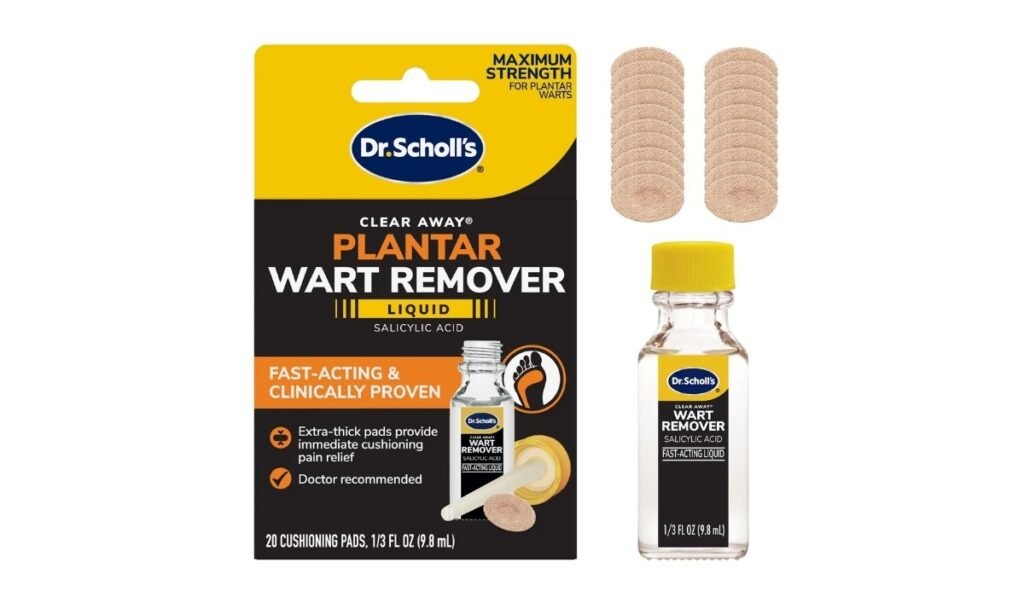
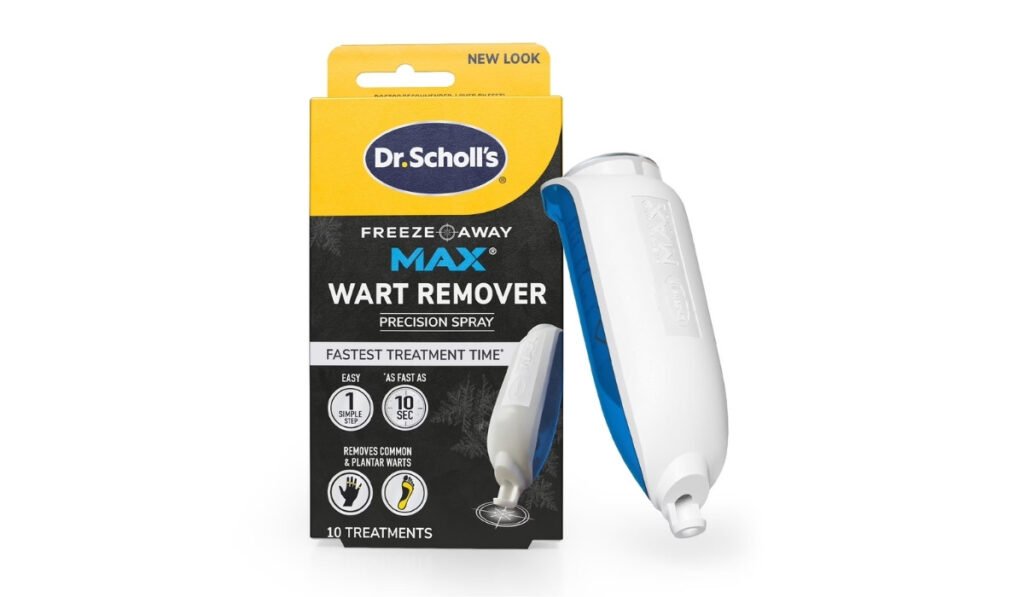
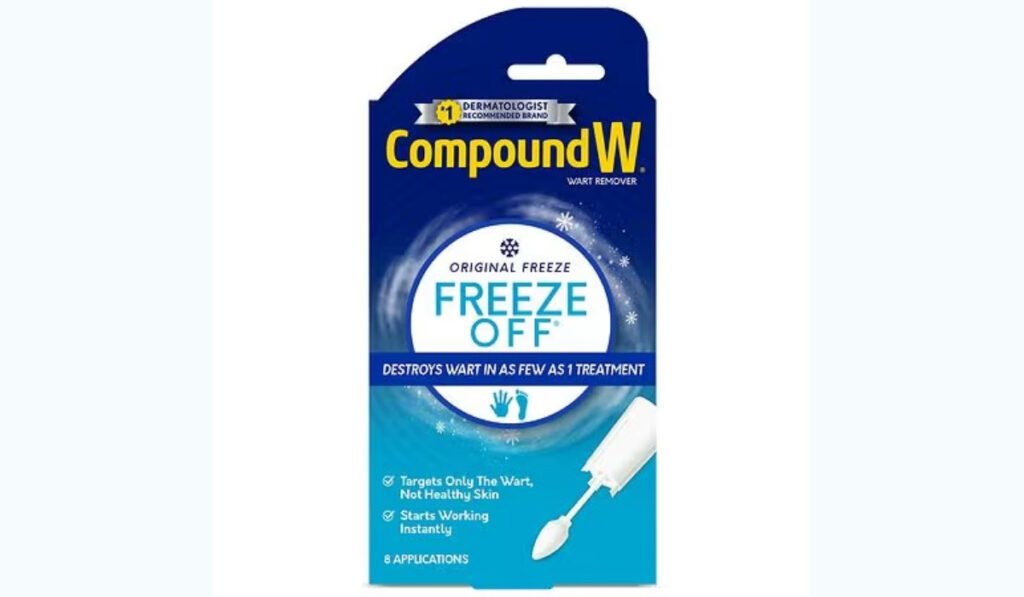
Freezing sprays represent another popular category, designed to mimic the professional cryotherapy performed in a doctor’s office. These products use aerosolized gases to drop the temperature of the wart tissue, causing it to blister and eventually fall off. While convenient, these kits often do not reach the extremely low temperatures of medical-grade liquid nitrogen. Consequently, they may be less effective for deep-seated or very old warts. However, for smaller, newer growths, they can be a useful tool. Always follow the manufacturer’s instructions carefully to avoid damaging the healthy skin surrounding the target area during application.
Benefits of Medicated Patches
For those who prefer a “set it and forget it” approach, medicated adhesive patches are often the best over the counter wart remover option. These patches contain a concentrated dose of salicylic acid and are designed to keep the medication in direct, sustained contact with the wart. By covering the growth, the patch also helps to soften the skin through moisture retention,best over the counter wart remover which increases the penetration of the active ingredient. This method is particularly effective for plantar warts on the sole of the foot, where a patch can remain in place throughout the day and protect the area from friction.
Preparing the Skin for Treatment
Before applying any medication, proper preparation is vital to ensure the product reaches the virus. The most effective way to start is by soaking the affected area in warm water for five to ten minutes. This softens the keratinized skin of the wart. Once softened, use a pumice stone or a disposable emery board to gently file away the dead, white skin on the surface. Be sure to use a tool that is not used for healthy skin, as you want to avoid spreading the virus. This process significantly improves the absorption of your chosen treatment.
Choosing the Right Concentration
The strength of the product you choose should depend on the location and thickness of the growth. For thinner skin on the hands or fingers, a 17% solution is typically sufficient and less likely to cause irritation to the surrounding healthy tissue. For the thick, calloused skin found best over the counter wart remover on the heels or the balls of the feet, a higher concentration, such as 40% salicylic acid, is usually more appropriate. Always check the packaging for the specific concentration before purchase, as using a high-strength product on sensitive skin can lead to painful burns, redness, and unnecessary tissue damage.
Protecting Healthy Surrounding Skin
A common mistake when using any removal product is allowing the medication to touch healthy skin. Salicylic acid is a potent keratolytic that can erode healthy cells just as easily as the wart tissue. To prevent this, apply a thin layer of petroleum jelly or a similar protective barrier around the base of the wart before applying the medication. If using a liquid remover, be precise with the applicator. This simple step protects the healthy skin from painful irritation, ensuring that your treatment experience remains focused and comfortable throughout the duration of your at-home therapy.
The Importance of Consistency
Persistence is the most critical factor when using the best over the counter wart remover. Many users abandon their treatment after a week or two because they do not see immediate results. However, because the virus is deeply embedded in the skin, the removal process is a gradual one. You must continue the regimen, including the regular filing and application of medication, for as long as the instructions recommend—often up to 12 weeks. Stopping too early allows the virus to remain, which almost guarantees that the growth will return, forcing you to begin the process over again.
Managing Pain and Irritation
It is normal to experience some mild discomfort or soreness as the skin peels away. However, if the area becomes excessively painful, begins to bleed, or develops blisters, you should immediately pause the treatment. These are signs that the skin is becoming too damaged. Allow the area to rest for two to three days until the inflammation subsides, and then restart at a lower frequency if necessary. If the irritation persists, it may be time to stop at-home efforts and seek professional advice, as your skin may be reacting poorly to the specific chemical concentration being used.
Why Some Warts Are Stubborn
Not all warts respond equally to over-the-counter options. Warts that have been present for a long time or those that have deep roots in the dermis can be incredibly resistant to topical acids or home freezing. Additionally, the location plays a major role; plantar warts are best over the counter wart remover often covered by a thick callus that prevents medication from reaching the actual viral infection. If you have been using a product consistently for three months and have seen no progress, it is highly likely that you need a more aggressive, professional procedure to fully eliminate the viral tissue.
Hygiene and Virus Prevention
Warts are contagious, and it is easy to spread them to other parts of your body or to other people. Never share your emery boards, pumice stones, or towels that have touched the wart. If you file the wart, treat the file as contaminated waste and discard it properly. Similarly, best over the counter wart remover wash your hands thoroughly after applying any medication. By maintaining strict hygiene, you limit the spread of the virus while you work on removing the primary growth. Keeping the area covered with a bandage or duct tape also helps prevent direct contact with others or spreading the virus.
When to See a Professional
While the best over the counter wart remover can solve many issues, there are cases where a dermatologist or podiatrist is necessary. See a doctor if you have a wart on your face or genitals, as these areas are too sensitive for harsh at-home chemicals. Additionally, if the growth changes shape or color rapidly, bleeds frequently, or causes significant pain, you need a professional evaluation to rule out other skin conditions. best over the counter wart remover If you have diabetes, poor circulation, or a weakened immune system, never attempt at-home removal on your feet, as the risk of infection and slow healing is very high.
Exploring Natural Alternatives
Some people choose to supplement or replace chemical treatments with natural remedies, such as tea tree oil or diluted apple cider vinegar. While anecdotal evidence exists, these methods generally lack the rigorous scientific backing of salicylic acid. Tea tree oil, for instance, best over the counter wart remover has antimicrobial properties, but it must be heavily diluted to avoid severe skin irritation. If you choose to explore these routes, treat them with the same caution as medical products. best over the counter wart remover Keep the surrounding skin protected and monitor the area closely for any adverse reactions, as “natural” does not always mean it is safe for delicate skin tissue.
The Role of Duct Tape
Duct tape occlusion therapy is a popular, low-cost home remedy that many find effective. The theory is that the tape irritates the skin enough to trigger an immune response, while also suffocating the wart. To try this, cover the wart with a piece of duct tape for six days. best over the counter wart remover On the seventh day, remove the tape, soak the area, and file it down. best over the counter wart remover Leave the wart open overnight and repeat the cycle. While some studies show promising results, others are inconclusive. It can be used in tandem with salicylic acid for potentially better outcomes in some cases.
Monitoring for Recurrence
Even after a wart appears to be gone, the underlying virus may remain dormant in the surrounding skin.best over the counter wart remover This is why it is often recommended to continue applying a mild treatment for a week or two after the growth has visibly vanished. Keep an eye on the area over the next few months. If you notice a small, rough patch beginning to reappear, start treatment immediately. best over the counter wart remover Early intervention is far easier than trying to remove a fully developed, mature wart. Vigilance is your best defense against the persistence of the HPV virus on your skin.
Impact of Footwear and Moisture
For those dealing with plantar warts, your environment plays a role in treatment success. Warts thrive in moist, best over the counter wart remover dark environments, such as the inside of shoes. Wear breathable socks and rotate your footwear to ensure they dry out completely between uses. Using antifungal or moisture-wicking products can also help maintain a healthier foot environment. best over the counter wart remover If your work requires you to stand for long hours in heavy boots, you may find the treatment process takes longer. Proper foot hygiene reduces the viral load and supports your skin’s ability to heal and shed the infected wart tissue properly.
Understanding Your Skin Type
Everyone’s skin responds differently to topical treatments. If you have naturally sensitive skin, you may find that the best over the counter wart remover for you is a lower-strength formula. If you have very thick, calloused skin, a higher-strength product might be necessary to penetrate the layers. Don’t be afraid to switch products if the first one you try causes too much discomfort without providing results. You might find that a medicated pad works better for your specific lifestyle than a liquid, or that a gel provides better, more targeted coverage for your particular skin situation.
The Mental Aspect of Treatment
Dealing with a visible wart can be a source of stress and embarrassment. The long duration of treatment can contribute to “treatment fatigue,” leading many to give up. best over the counter wart remover Recognize that this is a common challenge. Set a reminder on your phone to ensure you apply your treatment every night. Keeping a small journal of your progress can also help; seeing that the wart is slightly smaller or softer can be a great motivator to continue. best over the counter wart remover Remind yourself that consistent, slow progress is better than an aggressive approach that leads to scarring or pain.
Incorporating Healthy Habits
While topical treatments handle the surface, your overall health supports your immune system’s ability to fight off the virus from within. Ensure you are getting adequate sleep, eating a balanced diet, and managing stress levels. A strong immune system is the ultimate weapon against the human papillomavirus. While these lifestyle changes won’t remove a wart overnight, they provide the necessary foundation for your skin to recover faster and resist future infections. best over the counter wart remover Treating the skin externally while supporting your health internally is the most holistic approach to achieving clear, healthy skin in the long term.
The Future of At-Home Care
As technology advances, at-home treatments are becoming more sophisticated. We are seeing more precise applicators, faster-acting gels, and adaptive patches that monitor skin moisture to optimize drug delivery. Stay informed about new products entering the market, but always prioritize well-established active ingredients like salicylic acid. The best over the counter wart remover in 2026 continues to be the one that balances efficacy with safety. As you continue your treatment, prioritize gentle, consistent care over the desire for an instant “miracle” cure, which rarely exists in the realm of viral skin conditions like warts.
Final Thoughts on Wart Removal
Successfully removing a wart at home requires patience, the right tools, and a commitment to the process. By following the preparation steps, using the appropriate concentration of salicylic acid, and maintaining proper hygiene, you increase your chances of success significantly. Remember that if home treatments fail, professional medical intervention is a safe and highly effective alternative that can save you months of frustration. Focus on the goal of healthy skin, and don’t be discouraged by the time it takes. For further clinical information regarding the treatment of viral skin growths.
5 FAQs About the Best Over the Counter Wart Remover:
- What is the most effective ingredient in a wart remover?
- Salicylic acid is the gold standard, as it effectively peels away the infected skin layers over time.
Alpine Foot & Ankle Clinic
- How long does it usually take to remove a wart?
- Results vary, but consistent treatment usually takes anywhere from several weeks to three months.
- Can I use a wart remover on my face?
- No, you should avoid using over-the-counter removers on the face or genitals and should see a dermatologist instead.
- Is it normal for the skin to turn white during treatment?
- Yes, the skin around the wart often turns white and moist as the acid breaks down the dead tissue.
- What should I do if the treatment causes pain or bleeding?
- Stop the treatment, let the area heal for a few days, and consider consulting a doctor if irritation persists.