 admin
admin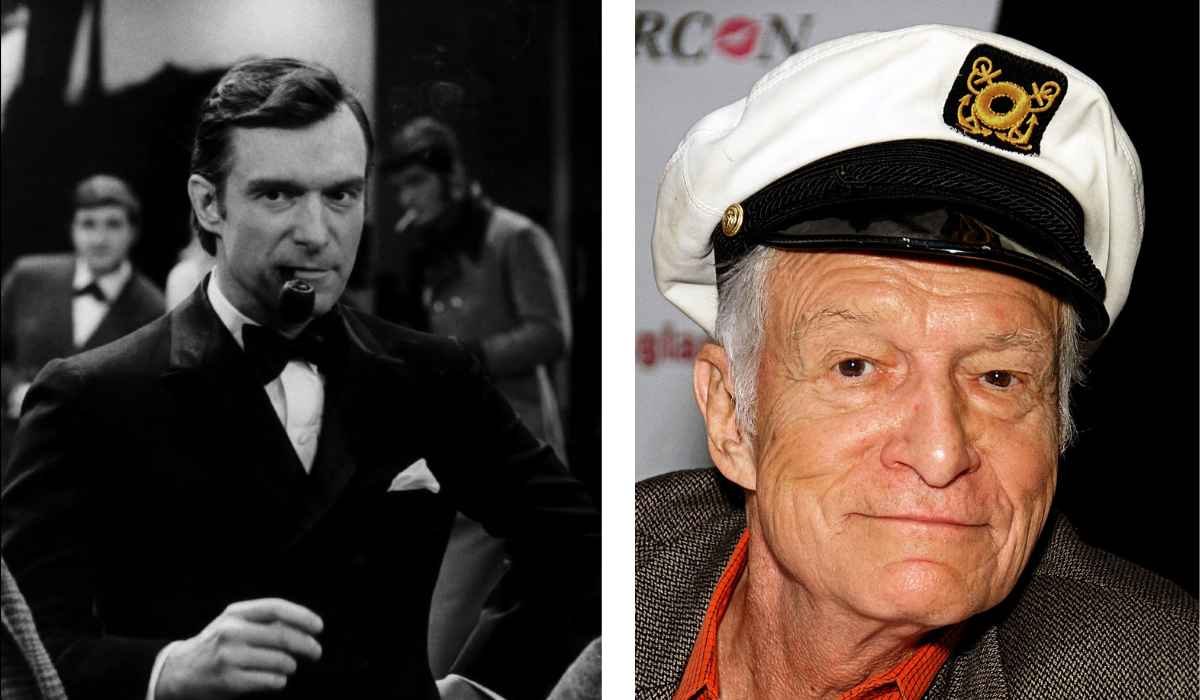
The landscape of modern media publishing, cultural revolution, and social liberty during the twentieth century owes an immeasurable debt of gratitude to the visionary enterprise of Hugh Hefner, whose controversial publishing empire completely transformed the international media landscape. During a time when post-World War II American society was dominated by strict Victorian moral codes and rigid sexual repression, this remarkable entrepreneur rose to prominence with a vision rooted in sophisticated lifestyle journalism, progressive civil rights advocacy, and unyielding personal expression.
By founding Playboy magazine and championing personal freedom, he demonstrated that publishing could be effectively harnessed to create powerful cultural movements that revolutionized global media, sexual attitudes, and modern publishing. His life remains a guiding light for anyone studying the complex dynamics of cultural disruption and media innovation.
Quick Bio Snapshot
- Full Name: Hugh Marston Hefner
- Lifespan: April 9, 1926 – September 27, 2017
- Key Role: American publisher, businessman, and founder of Playboy Enterprises
- Major Achievement: Created Playboy magazine, sparking the sexual revolution and advocating for civil liberties
Early Life and Childhood Roots of Hugh Hefner
The journey of Hugh Hefner began in Chicago, Illinois, where he was born into a traditional, conservative Methodist family of educators and accountants. Growing up during the Great Depression in a strict household that valued academic discipline over emotional expression, he developed an early passion for cartooning, creative writing, and publishing homemade neighborhood newspapers. These formative years planted the seeds of a deep-seated rebellion against puritanical social norms and an intense ambition to build his own media enterprise. Serving briefly in the United States Army during World War II as a non-combat clerk, he laid a strong journalistic and organizational foundation that prepared him for an extraordinary career in publishing.
Early Editorial Work and Launching Playboy
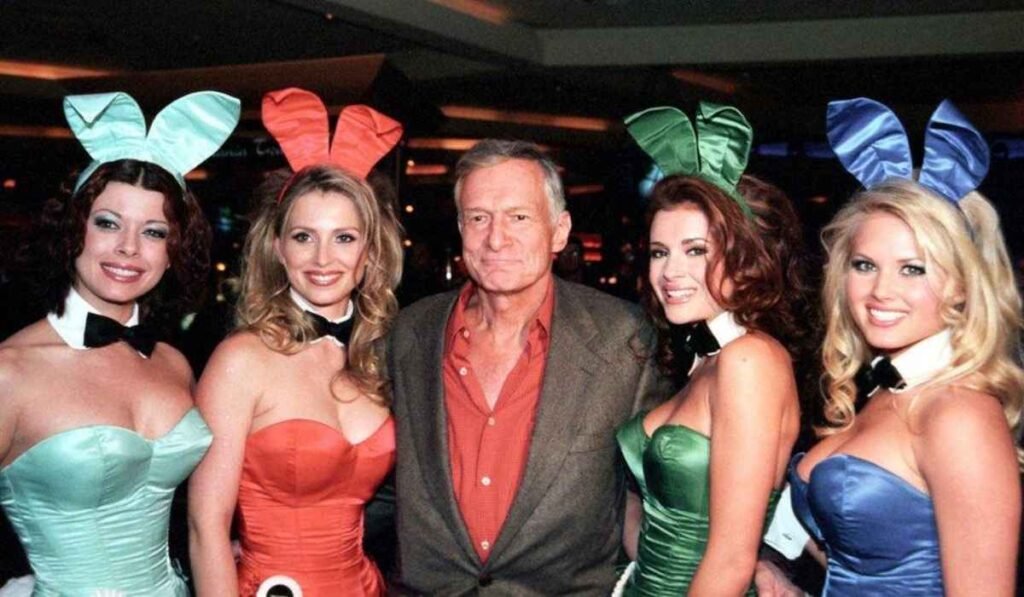
Professional development skyrocketed when Hugh Hefner worked as a copywriter for Esquire magazine before resigning over a denied salary increase, inspiring him to mortgage his furniture, borrow money from investors, and launch his own revolutionary men’s lifestyle publication in late 1953. Operating out of his kitchen with a modest budget, he published the inaugural issue of Playboy featuring Marilyn Monroe on the cover and centerfold, capturing an explosive cultural appetite for sophisticated entertainment. This high-risk entrepreneurial gamble transformed Hugh Hefner from a struggling Chicago copywriter into an international publishing mogul, sparking a massive cultural shift in American media consumption.
Cultural Revolution and Championing Social Progress
Pioneering social change characterized the height of the Playboy empire as Hugh Hefner utilized his massive financial platform to advocate for progressive political causes, racial integration, and the complete dismantling of antiquated censorship laws. Long before mainstream corporations embraced diversity, he integrated his Playboy Clubs and television programs, famously featuring civil rights leaders, jazz icons, and intellectuals like Martin Luther King Jr. and Malcolm X in his magazine’s interview pages. This courageous activism proved that Hugh Hefner viewed his publishing empire not merely as entertainment, but as an active vehicle for social liberalism and free speech advocacy.
Mansion Lifestyle and Global Media Expansion
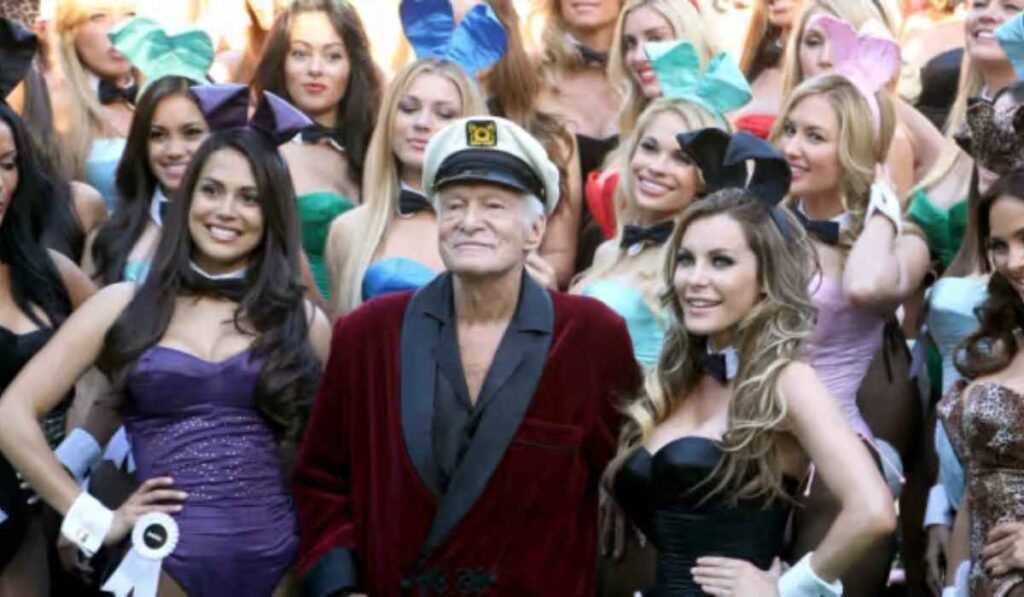
Extraordinary corporate expansion reached its peak when Hugh Hefner established the legendary Playboy Mansion in Chicago and later Los Angeles, creating an extravagant epicenter of celebrity parties, media production, and cultural nightlife. Surrounded by high-profile actors, musicians, politicians, and intellectuals, he cultivated a lavish lifestyle symbolized by his trademark silk pajamas and smoking pipe. This iconic persona cemented the status of Hugh Hefner as a living embodiment of the hedonistic bachelor lifestyle he promoted in print, making him one of the most recognizable and eccentric media magnates in the world.
Television Pioneering and Media Diversification
Innovative broadcasting characterized his entrepreneurial career as Hugh Hefner expanded his brand into television production through pioneering interview programs like Playboy’s Penthouse and Playboy After Dark, bringing avant-garde musicians, comedians, and countercultural figures directly into American living rooms. Defying conservative television networks, he used his broadcasting platforms to promote artistic freedom and open dialogue on taboo social subjects. This multimedia diversification proved that Hugh Hefner possessed a brilliant instinct for anticipating how popular entertainment would evolve across generations.
Facing Criticism and Feminist Debates
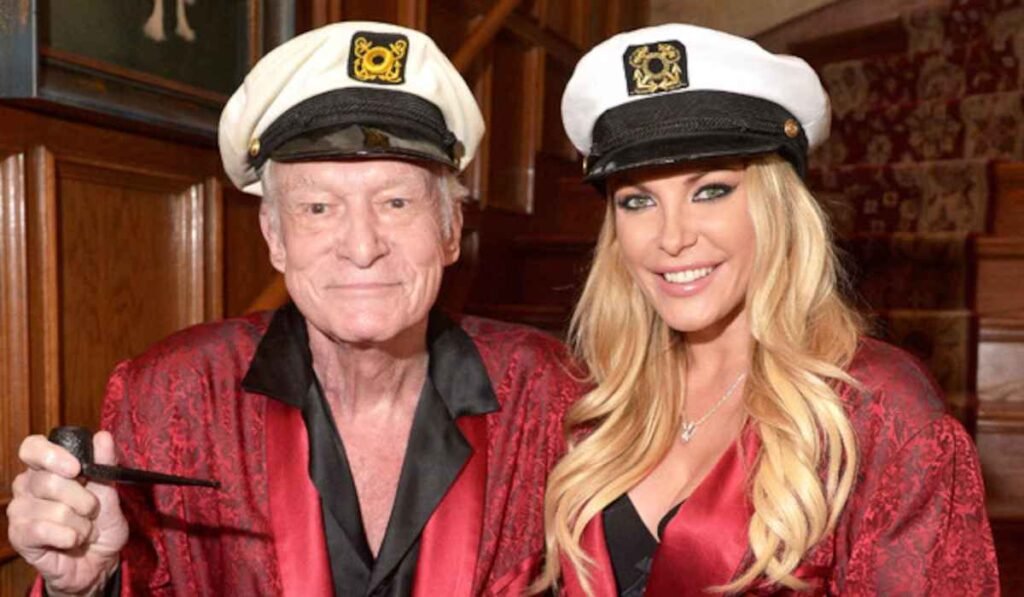
Societal pushback accompanied his immense cultural success as Hugh Hefner and his publications faced intense criticism from feminist movements, religious organizations, and moral watchdogs who argued that his enterprise objectified women and commodified human relationships. Despite these fierce controversies, he consistently maintained that his publications championed sexual liberation and individual autonomy against oppressive state censorship. This ongoing ideological battle proved that the cultural legacy of Hugh Hefner remained deeply polarizing, intersecting directly with the evolution of modern gender politics and media ethics.
Later Life, Reality Television, and Final Years
A surprising late-career renaissance unfolded when Hugh Hefner embraced reality television in the early 2000s, starring in the hit E! network series The Girls Next Door, which introduced his eccentric personal life and the inner workings of the Playboy Mansion to an entirely new generation of digital-age viewers. Remaining actively involved in corporate editorial decisions until his final days, he continued editing magazine covers and defending free expression. This pop-culture resurgence proved that the fascination of the public with Hugh Hefner endured well into the twenty-first century.
Work Ethic and Publishing Dedication
Exerting exceptional levels of editorial dedication, Hugh Hefner approached publishing with obsessive perfectionism, often working through the night in his pajamas to review page layouts, edit interviews, and write sprawling philosophical essays that defined each issue’s tone. His relentless attention to detail set an unmatched historical benchmark for magazine production and personal brand curation. Whether selecting centerfolds or debating constitutional law, Hugh Hefner viewed publishing as an all-encompassing lifestyle, instilling a professional standard that shaped the modern men’s magazine industry globally.
The Declining Health and Passing of Hugh Hefner
The earthly journey of Hugh Hefner drew to a close on September 27, 2017, when he passed away of natural causes at his Los Angeles home at the age of ninety-one, marking the end of an extraordinary and polarizing era in media history. News of his passing plunged the international entertainment community and media syndicates into widespread reflection regarding his immense cultural footprint. In accordance with his wishes, he was laid to rest next to Marilyn Monroe in Westwood Village Memorial Park. The peaceful passing of Hugh Hefner transformed him into an immortalized pop-culture icon, sealing his place among the most influential publishers of the modern age.
Global Mourning and Tributes to a Media Titan
Witnessing the widespread tributes following his passing revealed the complex emotional and cultural connection that Hugh Hefner held with public figures, artists, and readers worldwide who debated or celebrated his monumental media contributions. Media outlets across the globe published extensive retrospectives analyzing his impact on twentieth-century society. This collective global attention demonstrated that Hugh Hefner was not just a magazine publisher, but a globally recognized architect of modern cultural permissiveness.
Cultural Impact and Global Legacy
Decades after the launch of his foundational publication, the cultural impact of Hugh Hefner remains vividly alive in global media history, university sociology courses, and ongoing debates regarding freedom of the press. Archives dedicated to preserving his corporate history continue to educate scholars about the roots of the sexual revolution. The editorial blueprint left by his career changed how modern media approaches lifestyle branding, celebrity interviews, and visual culture. His enduring message reminds humanity that media innovation requires bold risk-taking, unwavering conviction, and an unshakeable engagement with cultural change.
Modern Relevance and Timeless Publishing Teachings
Contemporary media entrepreneurs and cultural analysts frequently look back to the publishing model of Hugh Hefner for insight into building lifestyle brands, monetizing countercultural movements, and challenging institutional censorship. As new generations re-evaluate the complex historical context of the mid-twentieth century, the tenacity demonstrated by his career provides a comprehensive case study in media disruption. Honoring his historical footprint requires more than nostalgic remembrance; it demands active critical analysis of media ethics, free speech boundaries, and the evolving definition of personal liberty just as his life’s work demonstrated.
Inspiring Future Generations of Global Editors
The ongoing study of the media ideals championed by Hugh Hefner rests heavily upon the shoulders of emerging publishers, journalists, and media historians across the globe. Communications academies continually introduce young minds to his editorial strategies, ensuring that the foundational values of bold publication design and niche marketing are analyzed. Each individual who studies his approach to challenging status quo journalism helps fulfill the historical curiosity once embodied by his extensive archival preservation. The journey toward media evolution is continuous, requiring constant dedication and critical rigor from everyone who studies the history of print.
Commemoration and Reflection on His Life and Enterprise
Annual retrospectives and historical exhibitions dedicated to the legacy of Hugh Hefner serve as important moments for international self-reflection, encouraging scholars and media critics to engage in discussions regarding the evolution of public morality and publishing freedom. These traditions keep the complex history of twentieth-century media alive, transforming archival research into a living study of cultural transformation. Through these collective efforts, his legacy transcends the history books, manifesting daily in media history curricula, cultural documentaries, and publishing analyses operating across the globe.
Conclusion: The Eternal Spirit of Media Disruption
Ultimately, the profound impact of Hugh Hefner defies simple categorization, representing a permanent shift in how humanity values media publishing, personal freedom, and cultural expression. His unwavering faith in individual liberty and the power of lifestyle journalism continues to spark debate across cultural, geographic, and generational divides. As long as people strive for media innovation, freedom of speech, and cultural exploration, the visionary spirit embodied by Hugh Hefner will forever illuminate the complex path toward understanding modern mass communication.
Frequently Asked Questions
- Where was Hugh Hefner born before building his media empire in Chicago?
- He was born in Chicago, Illinois, on April 9, 1926.
- Which legendary actress graced the cover and centerfold of the very first Playboy issue in 1953?
- Marilyn Monroe was featured in the inaugural edition of the magazine.
- What major civil rights and political causes did Hefner financially support through his platform?
- He actively advocated for racial integration, free speech, and the repeal of restrictive censorship laws.
- What was the name of the popular reality television series he starred in during the 2000s?
- He starred in the E! network hit show The Girls Next Door.
- Where is Hugh Hefner interred following his passing in 2017?
- He was laid to rest at Westwood Village Memorial Park Cemetery in Los Angeles next to Marilyn Monroe.